

Construction Accidents Involving Toxic Exposure
Construction sites are often associated with visible hazards such as falls, electrocution, and heavy equipment accidents. However, some of the most serious construction injuries result from dangers that workers cannot immediately see. Toxic exposure on construction sites can cause severe illnesses, chronic health conditions, permanent disabilities, and even death. In many cases, the effects of exposure do not become apparent until months or years after the initial contact.
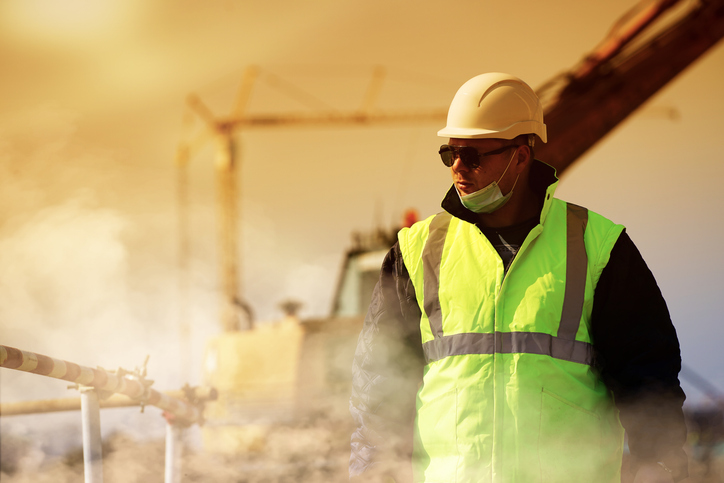
Construction workers encounter hazardous substances during demolition, renovation, excavation, industrial construction, and infrastructure projects. Exposure may occur through inhalation, skin contact, ingestion, or accidental spills. While federal and California safety regulations require employers and contractors to identify and control toxic hazards, safety failures remain common.
At Personal Injury Legal Group, our Los Angeles construction accident lawyers represent workers and others who have suffered serious injuries due to construction-related toxic exposure. These cases often involve complex medical and legal issues that require a thorough investigation into the source of exposure and the parties responsible.
Common Toxic Hazards on Los Angeles Construction Sites
Modern construction projects involve numerous materials and substances that can pose significant health risks when not handled properly. Older buildings may also contain hazardous materials that become dangerous during demolition or renovation activities.
Construction workers may encounter a wide variety of toxic substances, including:
- Asbestos found in older insulation, flooring, roofing materials, and building products
- Silica dust generated during cutting, drilling, grinding, and demolition activities
- Lead contained in older paint, pipes, and building materials
- Industrial solvents and chemicals used in cleaning, coatings, and manufacturing processes
- Welding fumes containing potentially harmful metals and gases
- Mold and biological contaminants in water-damaged structures
Each of these substances can create significant health risks when workers are exposed without adequate protective measures.
Asbestos Exposure and Construction Workers
Asbestos remains one of the most well-known construction-related toxic hazards. Although its use has been heavily restricted, asbestos is still present in many older buildings throughout California. When asbestos-containing materials are disturbed during demolition, renovation, or repair work, microscopic fibers can become airborne. Workers who inhale these fibers may develop serious diseases years or even decades later. Health conditions associated with asbestos exposure include asbestosis, lung cancer, and mesothelioma. These diseases often have long latency periods, meaning symptoms may not appear until long after exposure occurred. Because asbestos-related illnesses are frequently severe and potentially fatal, construction companies and property owners have strict obligations regarding asbestos identification and abatement.
Silica Dust Exposure
Crystalline silica is a naturally occurring mineral found in concrete, brick, stone, and other common construction materials. Activities such as cutting, grinding, drilling, and jackhammering can release fine silica dust into the air. When inhaled, silica particles can penetrate deep into the lungs and cause serious health problems. Long-term exposure may lead to silicosis, chronic obstructive pulmonary disease (COPD), kidney disease, and lung cancer. Silica exposure remains a significant concern on many construction sites because the dust may be invisible to workers and can remain airborne for extended periods. Proper ventilation, dust suppression systems, and respiratory protection are essential safety measures.
Lead and Chemical Exposure Risks
Construction workers renovating older structures may be exposed to lead-based paint and other lead-containing materials. Lead exposure can affect multiple body systems and may cause neurological, reproductive, cardiovascular, and kidney-related health problems. Workers may also encounter hazardous chemicals during painting, coating, waterproofing, cleaning, and industrial construction projects. Solvents and industrial chemicals can cause immediate injuries such as burns, respiratory distress, and poisoning, as well as long-term illnesses resulting from repeated exposure. In some situations, accidental chemical releases or spills can expose multiple workers simultaneously and create emergency conditions requiring immediate medical treatment.
Health Effects of Toxic Exposure
The health consequences of toxic exposure vary depending on the substance involved, the duration of exposure, and the level of concentration. Some injuries occur immediately, while others develop gradually over time. Common symptoms and medical conditions associated with construction-related toxic exposure include:
- Respiratory illnesses and chronic breathing difficulties
- Lung damage and occupational lung diseases
- Neurological disorders and cognitive impairment
- Skin burns, rashes, and chemical injuries
- Organ damage affecting the liver, kidneys, or cardiovascular system
- Various forms of cancer linked to occupational exposure
Many workers face years of medical treatment, ongoing monitoring, and permanent physical limitations. In severe cases, toxic exposure can result in permanent disability or wrongful death.
Workers’ Compensation and Third-Party Claims
Workers who suffer illnesses or injuries due to toxic exposure are often eligible for workers’ compensation benefits. These benefits may cover medical treatment and provide partial wage replacement during periods of disability. However, workers’ compensation has limitations. It generally does not provide compensation for pain and suffering or other non-economic losses associated with serious illnesses.
Construction toxic exposure cases frequently involve third-party liability as well. Property owners, manufacturers of hazardous products, subcontractors, environmental consultants, and other parties may bear responsibility for exposing workers to dangerous substances. For example, a manufacturer may be liable for producing defective safety equipment, or a property owner may be responsible for failing to disclose known asbestos hazards. Third-party claims can provide compensation beyond workers’ compensation benefits and may significantly increase the recovery available to injured workers.
Challenges in Toxic Exposure Cases
Unlike many construction accidents, toxic exposure cases often involve diseases that develop over time. Establishing a connection between the exposure and a particular medical condition may require extensive investigation and expert analysis. Medical experts, industrial hygienists, toxicologists, and occupational safety professionals are often necessary to determine how exposure occurred and whether it caused the worker’s illness. Documentation may include workplace records, safety reports, exposure monitoring data, medical records, and expert testimony. Because evidence can become more difficult to obtain as time passes, early legal intervention is often important.
FAQ: Construction Toxic Exposure Accidents
What toxic substances are construction workers most commonly exposed to?
Construction workers are frequently exposed to asbestos, silica dust, lead, welding fumes, industrial chemicals, solvents, and mold, depending on the type of project and work being performed.
Can I file a claim if my illness developed years after exposure?
Yes. Many toxic exposure illnesses, including asbestos-related diseases and certain cancers, may not appear until years or decades after exposure. Legal options may still be available.
Can I sue someone other than my employer for toxic exposure?
Yes. In some cases, third-party claims may be available against property owners, product manufacturers, contractors, or others whose negligence contributed to the exposure.
What evidence is used to prove a toxic exposure case?
Evidence may include medical records, workplace safety records, exposure monitoring data, expert testimony, and documentation showing the presence of hazardous substances.
Can toxic exposure lead to cancer?
Yes. Certain substances commonly found on construction sites, including asbestos, silica, and some industrial chemicals, have been linked to various forms of cancer.
Contact Personal Injury Legal Group
If you or a loved one developed a serious illness or suffered injuries due to toxic exposure on a construction site in Los Angeles or elsewhere in Southern California, it is important to understand your legal rights. These cases often involve significant medical expenses, lost income, and long-term health consequences that can affect entire families. Personal Injury Legal Group has experience representing victims of serious construction accidents and occupational exposure incidents. We work with medical experts, safety professionals, and investigators to identify responsible parties and pursue the compensation our clients deserve.
Exposure to dangerous substances can cause serious and lasting harm. Call Personal Injury Legal Group at 310-388-4306 or contact us online for a free consultation. We will evaluate your case, explain your legal options, and help you seek accountability from those responsible for the unsafe exposure.
