

How Speed Data, GPS Tracking, and Mobile Apps Affect E-Bike Injury Claims
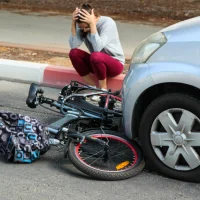
E-bikes have become a regular part of transportation across Los Angeles, especially for commuters, delivery workers, and riders moving through dense traffic where cars, bikes, and pedestrians constantly overlap. Their speed and convenience are part of their appeal, but those same features can create difficult questions after a crash. When an injured rider files a claim, the dispute may focus on more than who had the right-of-way. It may turn on the electronic trail left behind by the ride.
When an e-bike crash involves disputed speed or app activity, the issue is not simply what the records show, but how they fit with the full circumstances of the collision. Guidance from a Los Angeles e-bike accident lawyer can help prevent digital information from being isolated, misread, or used unfairly to reduce the value of a claim.
The Growing Role of Electronic Evidence in E-Bike Cases
E-bike accident claims increasingly involve information that did not exist in older bicycle injury cases. A ride may generate speed readings, GPS history, app timestamps, rental records, delivery activity, or device information. These details can help explain where the rider was, how the ride progressed, and what happened before impact.
The presence of electronic records does not make the case simple. Digital information must be compared with the physical crash scene, driver conduct, witness accounts, and medical evidence. A number from an app or a point on a map can be useful, but it rarely tells the full story on its own.
What Electronic Records Can Reveal About a Crash
Electronic records can answer factual questions that become disputed after an e-bike collision. Speed information may show whether the rider was traveling within a reasonable range. GPS history may confirm the path taken before the crash. App records may show trip timing, stops, delivery activity, or the location of the ride.
In crashes involving e-bikes, those details can help test each side’s version of events. A driver may claim the rider appeared suddenly, while the digital record may show a steady route through a predictable area. Trip history can also help identify where the impact occurred when the parties disagree about the exact location.
Electronic records should support a clear account of the crash, not replace the broader investigation.
When Digital Evidence Supports the Injured Rider
Digital evidence can be powerful when a driver or insurer tries to shift blame onto the e-bike rider. Speed data may show that the rider was not traveling recklessly. GPS information may show that the rider was moving in the correct direction or using a bike lane. App records may confirm that the ride occurred at the time and location described by the injured person.
These details can also counter assumptions about e-bike riders. Insurance companies sometimes treat motor-assisted bicycles as inherently risky and use that framing to reduce settlement value. A strong e-bike injury claim does not rely on assumptions about how riders behave. It connects the available records to the physical facts of the collision and the injuries that followed.
Disputes Created by Electronic Data
Electronic information can also create disputes when it is incomplete, delayed, or taken out of context. GPS points may not perfectly match the exact path of travel. App timestamps may lag or fail to capture movement precisely. Speed readings may not explain traffic conditions, sightlines, or driver behavior.
Insurance companies may focus on one number or one location point while ignoring the rest of the crash. A single speed reading can sound damaging until it is compared with the roadway, the driver’s turn, the position of parked cars, or the timing of the impact. Digital evidence must be interpreted within the full circumstances of the collision.
Accident Reconstruction in the Digital Age
Accident reconstruction gives electronic information practical meaning. Experts can compare digital records with the crash scene, vehicle damage, impact points, traffic signal timing, sightlines, and roadway design. That work can explain how the collision unfolded and whether the driver had time to see and avoid the rider.
Reconstruction becomes especially valuable when the driver and rider give different accounts. Electronic records may help confirm the rider’s movement before impact, while physical evidence may show how the vehicle struck the e-bike. Together, those details can help establish fault without relying on speculation.
Preserving Electronic Records After an E-Bike Crash
Digital records can disappear quickly. Apps may overwrite trip histories, devices may reset, and shared e-bike or delivery platforms may retain information for limited periods. Screenshots, receipts, route maps, account information, delivery records, and trip details should be saved as soon as possible.
The e-bike itself should also be kept in its post-crash condition when possible. Damage to the frame, brakes, tires, battery, or motor system can help explain the force and mechanics of the collision. Repairs should generally wait until the bike has been photographed and documented.
Preserving this information early can make a meaningful difference when fault is disputed or when a company controls records that are not immediately available to the rider.
Why Early Legal Strategy Matters in E-Bike Claims
Electronic evidence can strengthen a claim, but only when it is placed in the right context. If an insurer isolates speed data or app activity from the full crash, the information may be used to create an unfair narrative against the injured rider.
A strong e-bike injury claim explains what happened, why the driver’s conduct caused harm, and how the injuries affected the rider’s life. Digital records should support that account without overwhelming it. Early review by a Los Angeles e-bike accident lawyer helps keep the focus on the complete collision.
Contact Kosnett Law Firm
If you or a loved one has been injured in an e-bike accident, you deserve clear answers and strong legal advocacy. Digital evidence can affect how fault is evaluated, especially when insurers dispute speed, route, or rider conduct.
At Kosnett Law Firm, we handle complex e-bike accident claims involving disputed fault, electronic evidence, and serious injuries. Contact Kosnett Law Firm to speak with one of our trusted Los Angeles e-bike accident lawyers today for a confidential consultation, and let us pursue the compensation available under California law.
