

When a Slip and Fall Happens Inside a Grocery Store, Restaurant, or Retail Business
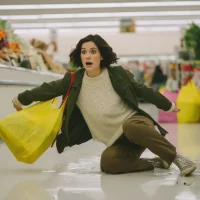
A fall inside a grocery store, restaurant, or retail business can feel disorienting in a way that is hard to explain afterward. One moment, a person is shopping for groceries, walking to a table, or moving through a checkout line. Next, they are on the floor, in pain, embarrassed, and trying to understand what just happened. It may take hours or days before the full extent of the injury becomes clear.
These accidents are often treated too casually by businesses and insurance companies. A manager may write a short incident report, offer a few polite words, and move on with the day. For the injured customer, the fall may lead to emergency care, follow-up appointments, missed work, limited mobility, and anxiety about how the bills will be paid. A preventable floor hazard should not be dismissed as a minor inconvenience when it changes someone’s daily life.
Commercial businesses in Los Angeles have a duty to keep their property reasonably safe for customers, guests, and visitors. From neighborhood markets and casual restaurants to large retail stores serving heavy foot traffic, that duty requires more than reacting after someone gets hurt. Businesses must pay attention to the conditions they create, the hazards their employees can see, and the risks customers may not notice until it is too late.
A Store Fall Is Not Always a Simple Accident
After a fall, businesses often try to make the incident sound simple. They may say the customer should have seen the spill, walked more carefully, or noticed the wet floor sign. Those explanations can feel especially unfair when the injured person was doing exactly what customers are expected to do: looking at shelves, reading signs, pushing a cart, carrying food, following a host, or moving through a crowded aisle.
Stores and restaurants depend on constant customer movement, which makes floor safety especially important. Employees may walk past the same entrance, aisle, restroom hallway, or checkout area many times before a customer falls. Managers may also have written procedures for inspecting areas where spills, wet floors, or misplaced merchandise are likely to create danger. Security footage may show how long the hazard remained on the floor and how many employees walked nearby before anyone responded. Guidance from an experienced Los Angeles slip and fall lawyer can help determine whether the business had a fair opportunity to correct the danger before the injury occurred.
The reality of a commercial fall is often found in those details. A spill may have been visible to employees long before a customer stepped on it. A wet floor sign may have been too far away to help. A box may have been left in an aisle during restocking because employees were rushing. The injured customer may not know those facts at first, but they can make a real difference in how the accident is understood.
Grocery Store Spills Can Be Hard to See Until It’s Too Late
Grocery stores are full of ordinary hazards that can become dangerous when employees do not respond quickly. Produce sections may have wet floors from misting systems. Refrigerated cases may leak. Bottles may break. Fruit may fall and create a slick surface. Rainwater can collect near the entrance as customers and carts move in and out of the store.
Clear liquid on a polished grocery store floor can be especially difficult to see. A shopper may be looking at prices, checking a list, guiding a cart around other customers, or reaching for an item on a shelf. A store cannot reasonably expect customers to scan every inch of the floor while also navigating the shopping environment the business created.
In many slip and fall accidents, the condition of the spill tells part of the story. Smearing, footprints, dirt, or cart tracks may suggest that the hazard sat long enough for others to pass through it. Surveillance footage may show employees nearby before the fall. A store that knows spills are common in certain areas should have inspection practices that match that risk.
Restaurant Floors Can Become Dangerous During Busy Service
Restaurants move quickly, especially during lunch rushes, dinner service, and weekend crowds. Servers carry drinks and plates through narrow spaces. Guests move between tables, restrooms, bars, and waiting areas. Food or liquid on the floor can become a serious hazard before anyone stops to clean it.
A restaurant fall may happen near a restroom hallway, drink station, host stand, bar area, or buffet line. The customer may not see the danger because the lighting is low, chairs are close together, or other guests are moving through the same space. In a busy restaurant, a slick floor can be more than an inconvenience. It can cause a person to fall hard without warning.
Warning signs should give customers a fair chance to avoid danger. A sign placed too far from the spill, hidden behind furniture, or put out only after someone falls, does not solve the problem. The purpose of a warning is to protect people before an injury occurs. When the warning comes too late, the injured customer should not be blamed for relying on the restaurant to keep its walking areas safe.
Crowded Retail Aisles Can Hide Dangerous Conditions
Retail stores can become unsafe when merchandise, boxes, mats, or displays interfere with safe walking paths. A customer may turn a corner and trip over a box left during restocking. A floor mat near the entrance may curl or slide. Packaging may fall into the aisle. A display may narrow the walkway so much that customers have little room to move around each other.
Crowded retail conditions can make these hazards harder to avoid. During sales, holidays, and peak shopping hours, customers are often focused on signs, shelves, carts, and other shoppers. Stores benefit from heavy foot traffic, but they must also manage the risks that come with it. A business should not invite customers into a crowded space and then ignore hazards in the areas where people are expected to walk.
A fall in a retail store can cause injuries that are far more serious than a person first realizes. Fractures, head injuries, back injuries, hip injuries, torn ligaments, knee damage, and chronic pain can follow a sudden fall. Older adults and people with prior medical conditions may face a particularly difficult recovery. The setting may be familiar, but the injury can still be life-changing.
Inspection Practices Matter Because Customers Cannot See Everything
Most customers never see a store’s inspection policy. They do not know how often employees are supposed to check the floors, who is assigned to clean a spill, or how quickly a warning sign should be placed. They simply trust that the business is paying attention.
That trust becomes important after a fall. A store may claim that an aisle was checked shortly before the accident, but the records may not match what happened. Inspection logs may have gaps. Entries may look rushed or automatic. The video may show that no employee actually walked through the area when the store says an inspection occurred.
Weak inspection practices can turn a small hazard into a serious injury. A spill that could have been cleaned quickly may remain on the floor. A missing warning sign may leave customers with no reason to slow down or change direction. A restocking box may sit in the aisle long enough to create a tripping danger. When businesses fail to monitor predictable hazards, customers are the ones who pay the price.
What to Do After a Fall in a Store or Restaurant
The moments after a fall can be confusing. A person may feel embarrassed and want to leave quickly. Pain may seem manageable at first, only to become worse later that night or the next morning. It is important to report the fall to the business, describe what happened accurately, and avoid guessing about details that are unclear.
A prompt evaluation can identify injuries that are not obvious right away, including concussions, soft tissue injuries, back injuries, neck injuries, knee injuries, and shoulder injuries. Medical records also help show that the injury is connected to the fall, which can matter if an insurance company later questions the claim.
Photos can also be helpful when they are available. Pictures of the floor, the hazard, shoes, clothing, visible injuries, and the surrounding area may help show what the customer faced. Witness names can matter as well. Businesses do not always preserve surveillance footage unless they are put on notice, and important evidence can become harder to obtain as time passes. When important details remain in the hands of the business or its insurance carrier, working with an experienced Los Angeles slip and fall lawyer can help protect the claim before evidence becomes harder to address or the injured customer is unfairly blamed.
The Cost of a Commercial Slip and Fall Injury
Insurance companies sometimes treat slip and fall claims as if they are minor by default. That does not reflect what many injured customers experience. A hard fall can affect a person’s ability to work, drive, sleep, walk, lift, exercise, or care for family. Medical appointments and physical therapy can interrupt daily routines. Pain can make even simple tasks feel exhausting.
Some injuries heal with time and treatment. Others require surgery, injections, long-term therapy, mobility support, or continued medical care. Lost income can add pressure quickly, especially when the injured person is already trying to manage rent, transportation, groceries, and other ordinary expenses. The financial strain can feel especially frustrating when the hazard should have been cleaned, marked, or removed before anyone fell.
A commercial slip and fall claim may seek compensation for medical expenses, lost wages, reduced earning ability, pain and suffering, and future care needs. The amount depends on the injury, the evidence, the effect on the person’s life, and the insurance coverage available. A store or restaurant may treat the accident like a routine customer incident, but a serious injury deserves careful attention.
Contact Kosnett Law Firm
If you were injured after slipping or tripping in a grocery store, restaurant, retail business, or another commercial property, you should not have to face the insurance company alone. A fall caused by a dangerous floor condition, unsafe aisle, poor inspection practice, or missing warning sign can leave you dealing with medical bills, lost income, and pain that affects your daily life.
At Kosnett Law Firm, we help injured people in Los Angeles pursue compensation after serious slip and fall accidents. Contact our office today to speak with a trusted Los Angeles slip and fall lawyer and learn how we can help you move forward with care, diligence, and strength.
