

Multi-Impact and Chain-Reaction Car Accidents: Determining Liability in Complex Los Angeles Collisions
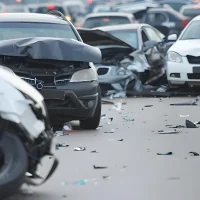
Multi-impact and chain-reaction car accidents are among the most complex types of collisions on Los Angeles roadways. On heavily traveled freeways such as the 405, 101, and I-10, a single moment of inattention can trigger a sequence of crashes involving multiple vehicles. When several drivers are involved, determining liability becomes far more complicated than in a typical two-car accident. Understanding how fault is evaluated and how compensation is pursued is essential. An experienced team of Los Angeles car accident attorneys can help navigate these layered claims and protect your right to recovery.
Unlike straightforward collisions, chain-reaction accidents often involve conflicting accounts, overlapping impacts, and multiple insurance carriers. Each party may attempt to minimize responsibility, making a thorough investigation critical.
How Multi-Impact Collisions Occur
Chain-reaction accidents frequently begin with a single triggering event. A driver may brake suddenly, change lanes without warning, or fail to notice slowing traffic. The initial impact can set off a sequence of collisions as the following vehicles are unable to stop in time.
Rear-end collisions are common in these scenarios, particularly in congested traffic. However, multi-impact crashes may also involve sideswipes, secondary impacts, or vehicles being pushed into adjacent lanes. In some cases, poor weather, road hazards, or impaired driving may contribute to the severity of the incident.
Because each impact may occur in rapid succession, determining the sequence of events is essential to understanding liability.
Identifying the At-Fault Parties
In multi-vehicle accidents, liability is rarely assigned to a single party. Several drivers may share responsibility depending on their actions leading up to the crash.
For example, the driver who initiated the chain reaction, such as by stopping abruptly or driving while distracted, may bear primary fault. However, the following drivers may also be partially responsible if they were speeding, tailgating, or failing to maintain a safe distance.
Each driver’s conduct is evaluated individually. Police reports, witness statements, and physical evidence help establish how each vehicle contributed to the collision. In some cases, commercial drivers, rideshare vehicles, or even government entities responsible for roadway conditions may also be involved.
The Role of Accident Reconstruction Experts
Accident reconstruction plays a critical role in complex collision cases. These experts analyze physical evidence to determine how the accident unfolded, including the timing and force of each impact.
Reconstruction specialists examine factors such as vehicle damage, skid marks, roadway layout, and electronic data from onboard systems. Many modern vehicles contain event data recorders that capture speed, braking, and steering activity in the moments before impact.
By recreating the sequence of events, experts can clarify which driver initiated the collision and how subsequent impacts occurred. This analysis is often essential when multiple parties dispute liability.
Comparative Negligence in Multi-Vehicle Accidents
California follows a pure comparative negligence system, meaning fault can be divided among multiple parties. Each driver may be assigned a percentage of responsibility, and compensation is adjusted accordingly.
For example, a driver found 30% at fault in a chain-reaction crash may still recover damages, but that percentage would reduce their compensation. This system allows injured individuals to pursue recovery even when liability is shared.
In multi-impact cases, insurance companies often attempt to assign as much fault as possible to other parties to reduce their financial exposure. A detailed and evidence-based approach is necessary to ensure that the fault is allocated fairly.
Insurance Coverage and Multi-Party Claims
Chain-reaction accidents often involve multiple insurance policies, each with its own coverage limits and defense strategies. Navigating these claims requires careful coordination.
Primary liability coverage, excess policies, and uninsured or underinsured motorist coverage may all come into play. Determining which policy applies to each portion of the accident can be complex, particularly when multiple impacts occur in quick succession.
Insurance carriers may dispute not only liability but also the extent of damages attributable to each impact. For example, they may argue that certain injuries were caused by a later collision rather than the initial crash. Medical records, expert testimony, and accident reconstruction analysis are often used to address these issues.
Proving Causation and Damages
In multi-impact accidents, establishing causation is a key challenge. When a vehicle is struck multiple times, determining which impact caused specific injuries becomes critical.
Medical experts may be called upon to evaluate injury patterns and link them to particular collisions. This analysis helps ensure that each responsible party is held accountable for the harm they caused.
Damages in these cases can include medical expenses, lost wages, rehabilitation costs, and pain and suffering. In severe collisions, long-term care needs and diminished earning capacity may also be significant factors.
The Importance of Early Investigation
Time is a critical factor in chain-reaction accident cases. Evidence such as surveillance footage, vehicle data, and witness testimony may be lost if not preserved promptly.
Early legal involvement allows for immediate investigation, including securing accident scene documentation, identifying witnesses, and obtaining electronic data from vehicles. This proactive approach strengthens the case and helps prevent disputes from undermining the claim.
Protecting Your Right to Compensation
Multi-impact collisions present unique challenges, but they also offer opportunities for recovery from multiple sources. Identifying all liable parties and available insurance coverage is essential to securing full compensation.
Because these cases often involve significant damages and complex liability issues, a strategic approach is necessary to ensure that each party’s responsibility is properly addressed.
Contact Kosnett Law Firm
If you have been injured in a multi-impact or chain-reaction car accident in Los Angeles, you should not navigate the legal process alone. Experienced Los Angeles car accident attorneys can investigate the sequence of events, coordinate with experts, and pursue compensation from all responsible parties.
Kosnett Law Firm provides dedicated representation for individuals involved in complex car accident cases. Contact our office today for a confidential consultation and let us help you pursue recovery with diligence and strength under California law.
