

Dealing with Insurance Companies in Commercial Vehicle Accidents: A Los Angeles Lawyer’s Guide
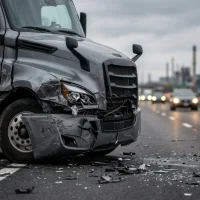
A commercial vehicle accident can bring far more pressure than a standard car crash. After a collision involving a delivery truck, utility vehicle, box truck, service van, or other business-operated vehicle, the insurance response may begin almost immediately. On busy routes through downtown Los Angeles, the 405, the 10, or the 710 corridor, these crashes often involve company drivers, fleet owners, dispatch records, commercial policies, and insurers focused on limiting exposure.
Commercial insurers do not evaluate these claims casually. They look for ways to dispute fault, narrow the injuries, shift blame, or separate the company from the driver’s conduct. Guidance from a Los Angeles commercial vehicle accident lawyer can help keep the claim focused on what happened, who was responsible, and how the injuries changed the victim’s life.
Commercial Vehicle Claims Bring More Pressure
A commercial vehicle claim usually involves more than the driver who caused the crash. The vehicle may be owned by a company, leased through another entity, maintained by a contractor, or operated under a delivery or service agreement. Each layer can affect liability and insurance coverage.
That complexity gives insurers more room to create confusion. One carrier may point to another policy. A company may argue that the driver was outside the scope of work. A contractor may deny responsibility for maintenance or vehicle condition. The injured person is left dealing with a claim that feels larger and less transparent than an ordinary auto accident.
Insurance Companies Move Quickly After a Crash
Commercial carriers often begin investigating serious collisions before the injured person has a complete medical picture. Adjusters may contact witnesses, inspect vehicles, review photographs, collect company records, and evaluate statements from the driver.
That early activity is not neutral. The insurer is building its position on liability and damages from the start. If the injured person gives a recorded statement too soon, minimizes pain, guesses about speed, or signs broad authorizations, those details may later be used to reduce the claim.
Early communication with insurers should be handled carefully. A rushed statement can create problems even when the injuries are real, and the commercial driver was at fault.
Common Tactics Used to Reduce Claim Value
Insurance companies often challenge commercial vehicle claims by focusing on gaps, uncertainty, or alternative explanations. They may argue that another driver caused the crash, that the injured person had a pre-existing condition, or that the medical treatment was excessive.
In multi-vehicle collisions, insurers may try to divide responsibility among several parties to reduce what their insured must pay. They may also use vehicle damage photographs to suggest that the injuries should have been minor, even when the medical records show otherwise.
These tactics work best when the claim is poorly documented. Consistent medical care, clear witness accounts, photographs, vehicle records, and expert review can help prevent the insurer from controlling the narrative.
Commercial Policies and Coverage Disputes
Commercial vehicle accidents may involve primary liability coverage, excess coverage, umbrella policies, contractor policies, or separate coverage tied to trailers, cargo, or fleet operations. The available insurance can depend on who owned the vehicle, who employed the driver, and what work was being performed at the time of the crash.
Coverage disputes can delay settlement and complicate negotiations. An insurer may argue that a policy does not apply, that another company should respond first, or that the driver’s actions fell outside the covered activity.
A fair recovery often depends on identifying all available policies, not just the insurance information handed over at the scene.
Building the Claim Around the Full Loss
A serious commercial vehicle crash can affect far more than the initial emergency room visit. Victims may face ongoing treatment, missed work, reduced earning capacity, rehabilitation, pain, and permanent limitations.
Insurance companies often focus on the smallest version of the claim. They may look at the first medical bills while ignoring future care, long-term pain, or the way the injuries affect work and daily life.
A strong claim presents the full picture. Medical records, physician opinions, wage documentation, rehabilitation notes, and expert evaluations help show the real cost of the collision.
Evidence That Challenges the Insurer’s Version
Commercial vehicle claims often turn on records the injured person does not have access to immediately. Dispatch records, driver logs, maintenance documents, inspection reports, onboard data, company safety policies, and surveillance footage may all help explain what happened.
Those records can reveal whether the driver was rushed, distracted, poorly trained, or operating a vehicle that should not have been on the road. They can also show whether the company failed to supervise the driver or maintain the vehicle safely.
When the insurer presents a narrow version of events, this evidence can expose what the company’s account leaves out.
Settlement Pressure and Delayed Recovery
Insurance companies may offer early settlements before the full extent of the injuries is known. For someone facing medical bills and missed income, a quick offer can feel tempting. The problem is that early settlements rarely account for future treatment, complications, or lasting impairment.
Once a settlement is accepted, the claim is generally over. Additional medical problems that appear later may not be covered. That is why the timing of settlement matters in serious commercial vehicle cases. A claim should not be valued before the injuries, treatment needs, and long-term impact are reasonably understood.
Legal Strategy Before Negotiation
Commercial vehicle accident claims are strongest when the evidence, medical records, and insurance coverage are organized before settlement discussions begin. The goal is not simply to demand payment, but to show why the insurer’s defenses do not match the facts.
A strong commercial vehicle accident claim connects the driver’s conduct, the company’s role, the available insurance, and the victim’s damages into one clear account. Early review by a Los Angeles commercial vehicle accident lawyer helps prevent the insurer from defining the case before the injured person has a fair opportunity to be heard.
Contact Kosnett Law Firm
If you or a loved one has been injured in a commercial vehicle accident, you deserve clear answers and strong legal advocacy. At Kosnett Law Firm, we handle complex commercial vehicle accident claims involving disputed liability, multiple insurance policies, and serious injuries.
Contact Kosnett Law Firm to speak with one of our trusted Los Angeles commercial vehicle accident lawyers today for a confidential consultation, and let us pursue the compensation available under California law.
