

Nighttime Pedestrian Accidents: Why Visibility Matters in Los Angeles Injury Claims
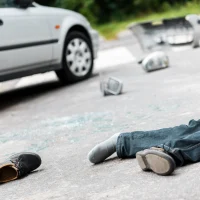
Pedestrian accidents become significantly more dangerous after dark. Reduced visibility changes the way drivers perceive intersections, crosswalks, parked vehicles, and people walking near the roadway. A collision that might have been avoided during daylight can occur within seconds when lighting conditions are poor, or a driver fails to recognize a pedestrian until it is too late. Across Los Angeles, where busy arterial streets remain active well into the night, these crashes often result in life-changing injuries.
Nighttime collisions frequently involve more than a driver’s failure to see a pedestrian. Street lighting, roadway design, traffic patterns, and the condition of nearby intersections may all contribute to what happened. Working with a Los Angeles pedestrian accident lawyer can help determine how these conditions affected the collision and whether liability extends beyond the driver alone.
Why Visibility Changes After Dark
Visibility affects every decision a driver makes. Headlights illuminate only a limited portion of the roadway, reducing the amount of time available to recognize hazards and respond safely.
Pedestrians wearing dark clothing, crossing near parked vehicles, or walking through areas with inconsistent lighting may be more difficult to see. That does not eliminate a driver’s responsibility to remain alert. Drivers are expected to adjust their speed and attention to the conditions around them, particularly in areas where pedestrian activity is common.
A claim involving a nighttime collision often begins with a careful review of what the driver could reasonably see before impact.
Poor Lighting and Unsafe Infrastructure
Not every nighttime pedestrian accident results solely from driver error. Inadequate street lighting, malfunctioning traffic signals, faded crosswalk markings, and poorly illuminated intersections can all increase the likelihood of a collision.
Commercial corridors, neighborhood intersections, and roads with limited lighting may create conditions where drivers struggle to recognize pedestrians until the last moment. Broken streetlights or missing pedestrian warning signs may further reduce visibility.
When public infrastructure contributes to a crash, the investigation may include maintenance records, lighting conditions, roadway design, and whether the responsible public entity had notice of the problem before the collision.
Driver Fatigue and Reduced Awareness
Nighttime driving presents challenges that extend beyond darkness. Fatigue slows reaction time, reduces attention, and affects judgment in much the same way as other forms of impairment.
Drivers returning home late, working extended shifts, or operating commercial vehicles overnight may experience delayed responses to changing traffic conditions. A tired driver may overlook a marked crosswalk, fail to recognize a pedestrian approaching an intersection, or respond too slowly to avoid a collision.
Fatigue does not excuse negligent driving. It is one of several factors that may explain why a driver failed to avoid an otherwise visible hazard.
Establishing What the Driver Could See
Many nighttime pedestrian accident claims center on visibility. Insurance companies often argue that the pedestrian appeared suddenly or was impossible to see.
The investigation focuses on whether that assertion matches the physical evidence. Headlight range, roadway lighting, sight distance, vehicle speed, weather conditions, and the location of the pedestrian all help establish what was visible before the collision.
Surveillance footage, dash camera recordings, photographs, and witness statements often provide valuable context that cannot be determined from the police report alone.
Comparative Negligence in Nighttime Collisions
California follows a comparative negligence system, meaning fault may be shared among multiple parties.
Insurance carriers may argue that a pedestrian crossed outside a marked crosswalk, entered the roadway unexpectedly, or wore clothing that reduced visibility. Those arguments do not automatically prevent recovery.
The question is whether the driver’s conduct remained reasonable under the circumstances. Speed, attentiveness, roadway conditions, and visibility all become part of the broader liability analysis.
Evidence That Strengthens a Nighttime Pedestrian Claim
Evidence collected shortly after the collision often becomes central to the claim. Photographs taken before lighting conditions change, surveillance footage, traffic camera recordings, and measurements from the scene may all help explain how the crash occurred.
Medical records establish the injuries resulting from the collision, while accident reconstruction experts may evaluate vehicle speed, impact location, and visibility conditions.
Together, this evidence helps present a complete picture of the collision rather than relying solely on conflicting statements from the parties involved.
Why Early Legal Strategy Matters in Nighttime Pedestrian Claims
Nighttime pedestrian accident claims frequently involve questions about visibility that become more difficult to answer as time passes. Lighting conditions change, businesses overwrite surveillance footage, and physical conditions at the scene may no longer reflect those present when the collision occurred.
A strong pedestrian accident claim connects roadway conditions, driver conduct, and available evidence into a clear account of what happened. Guidance from a Los Angeles pedestrian accident lawyer can help preserve critical evidence while the conditions surrounding the collision can still be documented.
Contact Kosnett Law Firm
If you or a loved one has been injured in a nighttime pedestrian accident, you deserve clear answers and strong legal advocacy. Nighttime collisions often raise unique questions about visibility, roadway conditions, and driver responsibility that deserve careful legal review.
At Kosnett Law Firm, we handle complex pedestrian accident claims involving disputed liability, roadway conditions, and serious injuries. Contact us to speak with a trusted Los Angeles pedestrian accident lawyer and learn how we can help you pursue accountability after a serious nighttime collision.
