

Can You Record Police During a Traffic Stop in California?
Traffic stops can be stressful, unpredictable, and sometimes intimidating. In recent years, smartphones and dash cameras have given drivers the ability to document their interactions with law enforcement in real time. But many Californians wonder: Is it legal to record police during a traffic stop? The short answer is generally yes, but there are important rules and practical considerations to keep in mind.
At Kosnett Law Firm, we frequently see cases where video recordings become important evidence in Los Angeles criminal defense matters. A recording can preserve what actually happened during a stop, but it can also create complications depending on how it is made and what it captures.
Is It Legal to Record Police in California?
In most situations, yes. The First Amendment to the U.S. Constitution generally protects the right to record police officers performing their duties in public places, including during traffic stops. Federal courts, including the Ninth Circuit, which covers California, have recognized that citizens have a constitutional right to record law enforcement officers engaged in their official duties, so long as the recording does not interfere with those duties.
California law also generally permits recording police officers during a traffic stop because officers performing official duties in public do not typically have a reasonable expectation of privacy. This is an important distinction because California is a “two-party consent” state for certain audio recordings under Penal Code § 632, part of the California Invasion of Privacy Act.
Section 632 prohibits recording “confidential communications” without consent. However, interactions with police officers during a public traffic stop are generally not considered confidential communications because they occur in a public setting and involve public officials carrying out official duties.
That said, there are exceptions. Recording private conversations between officers away from the public or surreptitiously recording communications where there is a reasonable expectation of privacy could raise legal issues.
How Should You Record a Traffic Stop?
If you choose to record an encounter with police, safety should be your top priority. A recording is unlikely to help your case if it escalates the encounter or causes an officer to believe you are reaching for a weapon.
Some practical guidelines include:
- If possible, begin recording before the officer approaches your vehicle.
- Keep your hands visible at all times.
- Tell the officer you are recording if asked, though California law generally does not require disclosure in a public interaction.
- Do not hold your phone in a way that could be mistaken for a weapon.
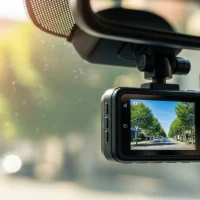
- Consider using a dash camera or mounting your phone in a secure location.
A calm and non-confrontational approach is often the best one. Recording should never interfere with an officer’s ability to conduct the stop safely.
Can Police Order You to Stop Recording?
Generally, police officers cannot lawfully order you to stop recording simply because they do not want to be filmed. Nor can they ordinarily seize or delete recordings without legal authority. The Fourth Amendment protects against unreasonable searches and seizures. Courts have repeatedly held that law enforcement officers generally cannot delete photographs or videos from a person’s phone without a warrant or a lawful exception to the warrant requirement.
However, if your recording interferes with the stop—for example, by refusing lawful commands or physically obstructing the officer—law enforcement may take action based on the interference itself rather than the act of recording.
How Recordings Can Help a Criminal Defense Case
Video evidence can be extraordinarily valuable in criminal defense cases. In some instances, recordings reveal facts that differ significantly from an officer’s written report.
A recording may help establish:
- What the officer actually said during the stop.
- Whether the driver appeared impaired or coherent.
- Whether field sobriety tests were administered correctly.
- Whether consent to search was voluntarily given.
- Whether the officer had reasonable suspicion or probable cause.
For DUI cases, recordings can be especially important. Prosecutors may claim that a driver exhibited slurred speech, poor balance, or signs of intoxication. Video evidence sometimes tells a different story. In other cases, recordings can preserve evidence of constitutional violations, including unlawful searches, coercive questioning, or excessive force.
When Recording May Be a Good Idea
In many situations, recording a traffic stop can provide an objective account of events. A recording may be particularly useful if:
- You believe the stop was unjustified.
- You are concerned about preserving evidence.
- The interaction becomes unusually contentious.
- You want an accurate record of what occurred.
Many drivers today use dash cameras for precisely these reasons. Unlike a handheld phone, a dash camera records automatically and minimizes the risk of misunderstanding during the encounter.
When Recording May Not Be Advisable
Although recording is often lawful, there are situations where it may not be the best choice. For example, if reaching for your phone suddenly could alarm an officer, it may be safer to wait or use a hands-free device. Similarly, aggressively announcing that you are recording or repeatedly arguing about your right to do so can unnecessarily escalate an encounter.
It is also important to remember that recordings can cut both ways. A video that captures incriminating statements, signs of intoxication, or unlawful conduct may ultimately be used by prosecutors as evidence. In other words, while recordings can protect defendants, they can also strengthen the prosecution’s case depending on what they reveal.
What Should You Say During a Recorded Traffic Stop?
Recording an encounter does not change your constitutional rights. You still have the right to remain silent and to decline to answer potentially incriminating questions. Generally, it is best to provide required documents—such as your driver’s license, registration, and proof of insurance—and avoid volunteering information about where you have been, whether you have consumed alcohol, or other potentially incriminating details. If you are arrested, clearly state that you wish to remain silent and would like to speak with an attorney.
Protecting Your Rights During Police Encounters in Los Angeles
Recording police during a traffic stop is generally legal in California and can be a powerful tool for preserving evidence and protecting your rights. However, it should be done safely, calmly, and without interfering with law enforcement’s duties. At Kosnett Law Firm, we understand how traffic stop evidence, including video recordings, can affect the outcome of criminal cases. Our attorneys carefully analyze body camera footage, dash camera recordings, and cellphone videos to identify constitutional violations and challenge the prosecution’s evidence.
If you were arrested following a traffic stop in Los Angeles, contact Kosnett Law Firm today for a free consultation. We can evaluate your case, protect your rights, and build the strongest possible defense on your behalf.
