

Maximizing Compensation after a Commercial Vehicle Accident in Los Angeles
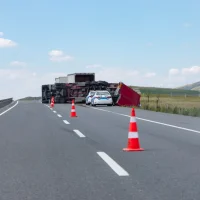
Commercial vehicles are part of daily life in Los Angeles. Delivery vans move through residential streets, box trucks block narrow lanes near businesses, service vehicles rush between job sites, and large trucks travel heavily used freeways such as the 5, 10, 101, 110, and 405. When a commercial vehicle causes a crash, the damage can extend far beyond the immediate collision. Victims may face serious injuries, missed work, long medical treatment, and pressure from insurance companies before they understand the full scope of their losses.
A commercial vehicle accident claim is not handled the same way as a routine car accident claim. The driver may have been working for a company, driving a vehicle owned by someone else, following a delivery schedule, transporting equipment, or operating under business policies that affected how the crash happened. After a serious collision involving a truck, delivery van, company car, shuttle, or other business vehicle, working with an experienced Los Angeles commercial vehicle accident lawyer can help identify the parties, insurance coverage, and damages that must be considered before any settlement is discussed.
Why Commercial Vehicle Accident Claims Require a Deeper Investigation
Commercial vehicle accident claims require a deeper investigation because the driver is rarely the only party connected to the crash. A delivery driver may be employed by a company, assigned through a contractor, driving a leased vehicle, or operating under route instructions created by a business. A truck may be owned by one company, maintained by another, loaded by a separate contractor, and dispatched under a schedule that leaves little room for safe driving. Each relationship can affect liability and available insurance coverage.
A complete investigation looks beyond the moment of impact. The evidence may show unsafe hiring, poor training, inadequate supervision, excessive delivery demands, ignored maintenance problems, improper loading, or a company culture that placed speed over safety. When a business puts a vehicle on Los Angeles roads, it has responsibilities that reach beyond the driver’s conduct behind the wheel. Maximizing compensation depends on uncovering the business decisions and safety failures that contributed to the crash.
What Compensation Should Cover after a Commercial Vehicle Crash
Compensation after a commercial vehicle accident should reflect the full impact of the injury. Medical bills are only the starting point. Victims may need emergency treatment, hospitalization, surgery, diagnostic testing, physical therapy, injections, medication, specialist care, and follow-up appointments. Serious injuries can also require future medical treatment, additional procedures, assistive devices, home modifications, or long-term pain management.
Lost income can become just as damaging as the medical bills. A person injured by a commercial vehicle may be unable to work for weeks or months. Permanent limitations can reduce earning capacity, prevent a return to physically demanding work, or force a career change. Compensation should also account for pain, emotional distress, scarring, loss of mobility, sleep disruption, anxiety while driving, and the loss of normal daily activities. A fair recovery must measure how the crash changed the victim’s life, not only what appears on invoices and wage records.
How Commercial Insurance Coverage Can Affect the Value of a Claim
Commercial vehicle claims often involve higher insurance limits than ordinary passenger vehicle collisions. A trucking company, delivery service, construction contractor, repair company, courier service, shuttle operator, or corporate fleet may carry commercial auto coverage, excess coverage, umbrella coverage, or other business insurance that applies to the crash. Higher limits matter when the injuries are severe, and the losses exceed what a standard personal auto policy would cover.
Insurance companies do not always volunteer every available source of recovery. A carrier may focus on the individual driver while avoiding deeper questions about the employer, vehicle owner, contractor relationships, dispatch practices, or corporate coverage. A settlement offer based on only one policy can leave substantial compensation unclaimed. Identifying every responsible party and every applicable policy is one of the most important steps in protecting the value of a commercial vehicle accident claim.
Why Early Evidence Preservation Matters
Important evidence in a commercial vehicle case is often controlled by the business involved in the crash. Driver logs, dispatch records, route data, maintenance files, inspection reports, hiring documents, training materials, GPS records, onboard camera footage, and electronic vehicle data can help explain what happened before impact. Businesses may repair vehicles quickly, overwrite digital data, replace drivers on routes, or lose records if evidence is not requested early.
Scene evidence also matters. Photos, witness statements, police reports, traffic camera footage, nearby surveillance video, skid marks, debris patterns, vehicle damage, and roadway conditions can help establish fault. In Los Angeles, commercial vehicle crashes happen near loading zones, apartment complexes, construction areas, warehouses, shopping centers, freeway ramps, and congested intersections. Each location may create its own evidence trail. Prompt investigation helps preserve proof before the vehicles are repaired, video footage disappears, and witnesses become harder to locate.
How Insurers Try to Reduce Commercial Vehicle Accident Claims
Commercial insurers know how to defend serious injury claims. Their representatives may contact a victim shortly after the crash and request a recorded statement, broad medical authorization, or a quick settlement discussion. Early contact can feel routine, but the purpose is often to protect the insurer’s position. Statements about speed, visibility, pain levels, prior injuries, work limitations, or the sequence of events can later be used to dispute fault or damages.
Insurers may argue that the injured person shared responsibility, that the injuries came from a preexisting condition, that medical treatment was excessive, or that the commercial driver was not acting within the scope of employment. They may also try to separate the company from the driver’s conduct when a contractor, leased vehicle, or delivery platform is involved. A strong claim responds with medical documentation, employment records, business evidence, crash analysis, and a clear account of how the collision caused the injuries and financial losses.
Who May Be Responsible for a Commercial Vehicle Accident
Responsibility for a commercial vehicle accident can extend to several parties. The driver may be liable for negligent driving. The employer may be responsible for the driver’s conduct during work. The company may also face direct liability for negligent hiring, training, supervision, retention, dispatching, or maintenance practices. A vehicle owner, repair company, loading contractor, broker, or another business entity may share responsibility when its conduct contributed to the crash.
The right recovery path depends on the facts. A delivery van crash may require review of route pressure, driver screening, and company safety rules. A truck accident may require inspection of maintenance records, cargo loading practices, and driver qualification materials. A service vehicle crash may require proof that the driver was working, traveling between jobs, or performing company business at the time of the collision. Each detail can affect fault, insurance coverage, and the amount of compensation available.
Building a Claim That Reflects the Full Harm
Maximizing compensation requires a claim that tells the full story of the crash and its consequences. Medical records must show the connection between the collision and the injuries. Wage records, tax records, business records, and employer documentation may be needed to prove lost income. When the injury affects future earning ability, the claim may require vocational and economic analysis. When the injury causes permanent pain, limitations, or future medical needs, the evidence must explain what care will be required and how the victim’s life has changed.
Expert analysis can also strengthen a serious commercial vehicle accident claim. Accident reconstruction specialists, medical experts, vocational experts, economists, and life care planners may help prove fault, future losses, and long-term damages. The goal is not only to show that the commercial driver caused the crash. The goal is to make sure the insurance company, defense lawyer, mediator, judge, or jury understands the full extent of the harm and the compensation required to address it.
Contact Kosnett Law Firm
If you were injured in a crash involving a truck, delivery van, company car, shuttle, or other commercial vehicle in Los Angeles, the claim should be evaluated before an insurance company narrows the facts or undervalues your recovery. Serious injuries can affect your health, income, independence, and future stability, and an early settlement position may not reflect the full cost of the collision.
Kosnett Law Firm represents injured people in Los Angeles commercial vehicle accident claims involving serious injuries, disputed fault, corporate responsibility, and complex insurance coverage. Contact our office today for a confidential consultation and let us advocate for your recovery with diligence and care.
