

Alcohol, Drugs, and Pedestrian Accidents in Los Angeles
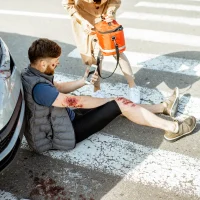
Pedestrian accidents in Los Angeles often involve high-impact collisions at intersections, crosswalks, and along busy corridors where drivers and foot traffic intersect. When alcohol or drugs are involved, the risk of serious injury or death increases significantly. Impaired drivers fail to recognize pedestrians, misjudge distance, and react too slowly to avoid a collision. In these cases, establishing liability and securing compensation requires a clear understanding of both criminal and civil law. An experienced Los Angeles pedestrian accident lawyer can evaluate how impairment affected the crash and develop a claim that reflects the full extent of the harm.
Impairment affects every aspect of driving. Alcohol reduces coordination and reaction time. Drugs, whether prescription or illicit, can impair judgment, perception, and awareness. When a driver operates a vehicle under these conditions, the likelihood of striking a pedestrian increases, particularly in areas where drivers must remain alert to changing traffic signals and crossing activity.
DUI Laws and Driver Responsibility
California law prohibits driving under the influence of alcohol or drugs. A driver with a blood alcohol concentration of 0.08% or higher is considered legally impaired, though drivers can be charged at lower levels if their ability to operate a vehicle is affected. Drug-related impairment is evaluated based on observable behavior and testing, rather than a fixed numeric threshold.
A driver who violates DUI laws breaches a duty of care owed to everyone on the roadway, including pedestrians. When a pedestrian is struck by an impaired driver, that violation becomes a central element in establishing negligence. Police reports, field sobriety test results, toxicology reports, and witness observations help establish whether impairment contributed to the crash.
Criminal charges may follow, but those proceedings address punishment, not compensation.
Criminal Charges and Civil Liability
A DUI-related pedestrian accident often results in criminal prosecution. The state pursues charges against the driver, and penalties may include jail time, fines, license suspension, and other sanctions.
Civil liability operates separately. A personal injury claim allows the injured pedestrian to pursue compensation for losses resulting from the crash. The outcome of a criminal case does not determine the civil claim, and the injured party does not need to wait for a conviction to move forward.
The standard of proof also differs. Criminal cases require proof beyond a reasonable doubt. Civil claims require proof by a preponderance of the evidence. This distinction allows a civil case to proceed even if criminal charges are reduced or dismissed.
Impairment and Liability Analysis
Impairment changes how fault is evaluated. A driver who operates a vehicle under the influence creates a foreseeable risk of harm. When that driver strikes a pedestrian, the connection between impaired driving and the collision becomes a key issue in the case.
Evidence of impairment strengthens the claim by establishing that the driver failed to meet basic safety standards. At the same time, insurers may still raise comparative negligence arguments, particularly if the pedestrian crossed outside a marked crosswalk or entered the roadway unexpectedly.
California law allows fault to be shared. Even in cases involving impaired drivers, insurers may argue that the pedestrian contributed to the incident. A clear, evidence-based analysis is required to ensure that the fault is assigned appropriately.
How Fault Is Established in Pedestrian Accidents
Pedestrian accident claims involving impairment rely on both physical and circumstantial evidence. Police reports often document observations of intoxication, field sobriety test results, and statements made at the scene.
Witness testimony can establish how the driver was operating the vehicle before the collision. Surveillance footage from nearby businesses or traffic cameras may capture the incident or the driver’s behavior leading up to it.
Medical records connect the injuries to the crash and establish the extent of harm. In severe cases, accident reconstruction experts analyze the scene to determine speed, visibility, and driver reaction time.
This evidence builds a narrative that connects impaired driving to the pedestrian’s injuries.
What Compensation Is Available to Injured Pedestrians
Pedestrian accident victims may pursue both economic and non-economic damages. Economic damages include medical expenses, rehabilitation costs, lost wages, and future care needs.
Non-economic damages address pain and suffering, emotional distress, and loss of quality of life. Pedestrian injuries often involve long-term consequences, particularly when the collision results in head trauma, spinal injuries, or permanent disability.
When a driver’s conduct rises to the level of reckless or intentional behavior, punitive damages may be pursued to hold that conduct accountable.
Criminal penalties imposed on the driver do not compensate the victim. A civil claim is necessary to recover financial losses and address the full impact of the injury.
How Early Legal Strategy Shapes Pedestrian Accident Claims
Early legal involvement allows for prompt investigation and evaluation of the claim. Evidence related to impairment, including toxicology results and police observations, must be reviewed alongside other evidence establishing how the crash occurred.
Insurance companies move quickly to assess exposure and develop defenses. A structured legal approach ensures that the claim is built on clear evidence and that liability is addressed from the outset.
A Los Angeles pedestrian accident lawyer can coordinate the investigation, manage communications with insurers, and develop a strategy that reflects both the facts of the case and the applicable law.
Establishing Liability and Recovery
Pedestrian accidents involving alcohol or drugs often result in serious injuries and complex legal issues. Liability, comparative fault, and insurance coverage all play a role in determining the outcome of the claim.
Establishing fault requires connecting impaired driving to the collision and addressing any defenses raised by insurers. A well-developed claim ensures that the injured party’s losses are fully recognized and supported by evidence.
Contact Kosnett Law Firm
If you or a loved one has been injured in a pedestrian accident involving an impaired driver, you deserve clear answers and strong legal advocacy. At Kosnett Law Firm, we represent individuals injured in serious pedestrian accidents and pursue claims that hold negligent drivers accountable.
An experienced Los Angeles pedestrian accident lawyer can evaluate your case, develop a strategy based on the evidence, and pursue the compensation available under California law. Contact Kosnett Law Firm today for a confidential consultation.
