

Tractor-Trailer Jackknife Accidents
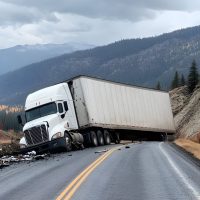 Jackknife accidents are one of the most dangerous types of commercial vehicle crashes. They occur when a tractor-trailer’s trailer swings out to one side, forming an acute angle with the cab that resembles the shape of a folding pocketknife (jackknife). These accidents can happen suddenly and without warning, leaving nearby drivers with little time to react. In a busy metropolitan area like Los Angeles, jackknife accidents can lead to multi-vehicle collisions, road closures, and catastrophic injuries.
For victims of these accidents, pursuing compensation can be complex. Tractor-trailers are governed by federal and state regulations, and liability may involve multiple parties, including drivers, trucking companies, and even maintenance providers. The Los Angeles trucking accident attorneys at Kosnett Law Firm provide experienced legal representation to navigate these challenges and ensure injured victims receive the compensation they deserve.
How Jackknife Accidents Happen
Jackknife accidents usually result from a combination of factors that reduce the driver’s control over the trailer. Common causes include:
-
Sudden braking: Hard stops on slippery roads can cause the trailer to swing out.
-
Speeding or sharp turns: High speeds or abrupt turns increase the risk of trailer instability.
-
Poor road conditions: Wet pavement, ice, debris, or uneven surfaces can contribute to loss of control.
-
Mechanical failure: Brake malfunctions, tire blowouts, or suspension problems can trigger a jackknife.
-
Driver error or fatigue: Inattention, distraction, or exhaustion can prevent truck drivers from responding properly to hazards.
Because jackknife accidents occur so quickly, other drivers often have no time to avoid the trailer, making injuries and property damage particularly severe.
Why Jackknife Accidents Are So Dangerous
Unlike a standard car accident, a jackknife involves a long, heavy trailer swinging unpredictably. Even at moderate speeds, the trailer can strike multiple vehicles or block several lanes of traffic. The force of impact is often amplified by the truck’s size and weight, making injuries more severe and property damage extensive.
Passengers in smaller vehicles are particularly vulnerable. The cab may remain upright while the trailer pivots, crushing cars or forcing them off the roadway. Multiple collisions are common, as drivers behind the truck may swerve, strike other vehicles, or roll their own cars to avoid the jackknife.
Common Injuries in Jackknife Accidents
Jackknife collisions often lead to catastrophic injuries. Victims may suffer:
-
Traumatic brain injuries (TBIs): Sudden impacts or secondary collisions can cause concussions, hemorrhaging, or permanent neurological damage.
-
Spinal cord injuries: Severe trauma can result in partial or complete paralysis.
-
Fractures and crush injuries: The weight and motion of the trailer can crush vehicles or limbs.
-
Internal injuries: Organ damage, internal bleeding, or other life-threatening conditions may require emergency surgery.
-
Emotional and psychological trauma: Survivors often experience anxiety, depression, or PTSD after the accident.
These injuries often require extensive medical care, rehabilitation, and ongoing support, making the financial and emotional toll significant.
Liability in Tractor-Trailer Accidents
Liability in jackknife accidents can be complex because multiple parties may share responsibility. Potentially liable parties include:
-
The truck driver: Negligence, speeding, or driver error can directly cause an accident.
-
Trucking company or employer: Companies may be responsible for improper hiring, lack of training, or pressure to meet delivery schedules.
-
Vehicle manufacturer or maintenance provider: Mechanical failures due to defects or poor maintenance can contribute to the crash.
-
Government entities: Poorly maintained roads or hazardous conditions may factor into liability.
Establishing liability requires careful investigation and often involves accident reconstruction, vehicle inspection reports, and expert testimony. Proving fault is essential for securing full compensation.
Steps to Take After a Jackknife Accident in Los Angeles
After surviving a jackknife accident, immediate actions can protect your health and legal rights:
-
Seek medical attention: Some injuries may not be immediately apparent. Prompt documentation is critical.
-
Report the accident: Notify law enforcement to create an official record.
-
Document the scene: Photos, videos, and witness information help preserve evidence.
-
Avoid discussing fault: Do not admit responsibility or make statements to the truck driver or insurance representatives without legal guidance.
-
Contact an attorney: Early involvement ensures your rights are protected and critical evidence is preserved.
Following these steps helps protect both your health and your potential claim.
Why You Need a Personal Injury Lawyer
Tractor-trailer accidents involve high stakes, large damages, and complex liability issues. A personal injury lawyer can investigate the crash thoroughly, including vehicle data, driver logs, and accident reconstruction. Attorneys communicate with trucking companies and insurers to ensure victims are treated fairly. They have the skills and experience to accurately assess the full scope of damages, including medical expenses, lost income, and long-term care needs. A legal professional is also required to pursue litigation if necessary, ensuring victims have experienced advocates in court.
With the right attorney, accident victims have a much better chance of receiving full and fair compensation.
Contact Kosnett Law Firm After a Jackknife Truck Accident in Los Angeles
Jackknife accidents are often catastrophic and complex. If you or a loved one has been injured in a tractor-trailer crash in Los Angeles, you need experienced legal representation. Kosnett Law Firm will investigate your accident, determine liability, and fight for the compensation you deserve.
Contact us today for a free consultation. We guide clients through every step of the legal process, providing skilled, personalized representation to help you move forward after a serious accident.
