

Right-of-Way Accidents Involving Emergency Vehicles in Los Angeles
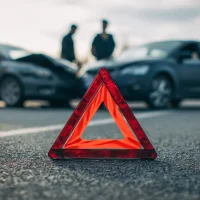
Emergency vehicles move through Los Angeles traffic under pressure that ordinary drivers rarely see. An ambulance may be rushing a patient to the hospital. A fire truck may be responding to a structure fire. A police vehicle may be pursuing a dangerous suspect or heading toward a violent emergency. Drivers are expected to make room quickly, but crowded intersections, multi-lane boulevards, freeway ramps, sirens coming from different directions, and blocked sightlines can turn a few seconds of confusion into a serious crash.
California law gives emergency vehicles special right-of-way protections during emergency responses, but those protections are not unlimited. Injured people still have the right to ask whether the emergency driver acted safely, whether proper warning equipment was used, and whether another motorist failed to yield. When a car crash happens during an emergency response, working with a Los Angeles car accident lawyer can help determine whether the collision resulted from a failure to yield, unsafe emergency vehicle operation, or a public agency’s role in the response.
How Emergency Vehicle Right-of-Way Works in California
California drivers must yield when an authorized emergency vehicle approaches with an activated siren and at least one visible red light. The rule is not simply to slow down or guess which direction the emergency vehicle intends to travel. Drivers are generally expected to move to the right-hand edge or curb, clear of an intersection, stop, and remain stopped until the emergency vehicle has passed, unless a traffic officer directs otherwise.
That rule becomes more difficult on Los Angeles streets, where traffic is already compressed. A driver stopped near an intersection may not have room to move right. Vehicles may be boxed in on streets such as Wilshire Boulevard, Sunset Boulevard, Ventura Boulevard, or along freeway approaches where drivers have little shoulder space. Even when drivers want to yield, sudden lane changes, panic braking, or stopping inside an intersection can create secondary crashes. Liability analysis must account for what each driver could actually see, hear, and safely do in the moments before impact.
What Emergency Drivers Are Allowed to Do During a Response
California law allows emergency responders to disregard certain traffic rules while responding to emergency calls, pursuing suspected law violators, transporting patients, or performing other authorized emergency functions. Those privileges can include proceeding through red lights or stop signs, exceeding speed limits, and moving against normal traffic rules when necessary for emergency response.
Those privileges come with conditions. Emergency vehicles must use proper warning equipment, including a red light visible from the front and a siren when reasonably necessary. A fire truck, ambulance, or police vehicle does not receive a blank check to enter an intersection blindly or force traffic into danger. The legal question is not whether the emergency was important, but whether the emergency vehicle was operated with reasonable care under the conditions that existed at that location and time.
Why Due Regard Matters After an Emergency Vehicle Crash
California law preserves a duty of due regard for the safety of everyone using the road. That standard matters because emergency responders may have legal privileges, but they are still operating large, fast, and potentially dangerous vehicles through public streets. A responder approaching a red light through heavy traffic must consider visibility, traffic density, pedestrian presence, speed, road layout, and whether surrounding drivers have a realistic opportunity to yield.
A crash at a Los Angeles intersection may raise difficult questions. Did the emergency vehicle slow before entering against the light? Were the siren and red light activated early enough for nearby drivers to react? Were buildings, parked vehicles, buses, or traffic noise blocking the warning? Did the emergency driver assume cross traffic would stop without confirming that the intersection was clear? These details can determine whether the emergency driver’s conduct was protected or whether the response crossed into unreasonable danger.
When Civilian Drivers May Be Responsible
Many emergency vehicle crashes happen because another driver fails to yield. A motorist may keep moving through an intersection despite hearing a siren. Another driver may stop abruptly in the wrong lane, swing left instead of right, or try to beat the emergency vehicle through a light. In Los Angeles traffic, distracted driving makes the problem worse. A driver using a phone, wearing headphones, or focusing only on navigation may not react until the emergency vehicle is already nearby.
Fault can also fall on a civilian driver who creates a chain reaction. One driver’s failure to yield may force an ambulance or police vehicle into evasive movement, causing a crash with a separate vehicle or pedestrian. Insurance companies may try to frame the collision as unavoidable because an emergency vehicle was involved. A proper investigation looks past that assumption and examines the conduct of every driver who contributed to the crash.
When the Emergency Vehicle Operator May Be Liable
Emergency responders can cause preventable collisions when they drive too fast for conditions, enter intersections without adequate caution, fail to use required warning equipment, or continue through traffic after it becomes clear that nearby drivers have not yielded. Large fire apparatus and ambulances need more room to stop and turn than standard passenger vehicles. Police vehicles moving at high speed through dense urban traffic can create a severe risk when cross traffic, pedestrians, or cyclists are present.
Claims involving public emergency vehicles also bring procedural challenges. If the vehicle was operated by a city, county, state agency, fire department, police department, or public ambulance service, strict government-claim deadlines may apply before a lawsuit can be filed. Injured people should not assume that ordinary insurance timelines control the case. Delay can affect the right to pursue compensation, especially when a public entity is involved.
What Evidence Helps Prove Fault
Emergency vehicle accident cases depend heavily on evidence gathered quickly. Video from traffic cameras, nearby businesses, buses, dashcams, police body cameras, and residential security systems may show whether lights and sirens were activated and how the vehicles entered the intersection. Dispatch records, GPS data, radio communications, computer-aided dispatch logs, and event data from the vehicles can help establish speed, timing, route, and emergency status.
Witness testimony can be especially important because sound and visibility are central issues. A driver who heard the siren several seconds before impact tells a different story from a pedestrian who saw the emergency vehicle enter suddenly without warning. Skid marks, debris location, vehicle damage, and final resting positions can also help accident reconstruction experts determine speed, braking, impact angle, and whether either driver had time to avoid the crash.
Compensation After an Emergency Vehicle Accident
A person injured in an emergency vehicle accident may suffer the same serious losses seen in other major Los Angeles car crashes: fractures, head injuries, spinal injuries, internal injuries, soft tissue damage, surgical recovery, lost income, reduced earning capacity, and lasting pain. The fact that one vehicle was responding to an emergency does not erase those losses. Medical bills, rehabilitation costs, missed work, and long-term physical limitations still require a full damages analysis.
The available compensation path depends on who caused the crash and what insurance or public-entity rules apply. A claim may involve a negligent civilian driver, a public agency, a private ambulance company, an employer, or more than one responsible party. When liability is shared, California comparative fault principles may affect how damages are allocated. The injured person’s case should be built around evidence, not assumptions about who gets the benefit of the doubt.
Contact Kosnett Law Firm
If you were injured in a crash involving an ambulance, fire truck, police vehicle, or another driver reacting to an emergency response, the case deserves careful review before evidence disappears and deadlines pass. Emergency vehicle collisions can involve special right-of-way rules, public agency procedures, disputed siren or light use, and competing accounts from drivers who each claim they had the right to proceed. Guidance from a knowledgeable Los Angeles car accident lawyer can help protect your claim while those facts are investigated.
Kosnett Law Firm represents injured people in Los Angeles car accident cases involving serious injuries, disputed fault, and complex liability questions. Contact our office today for a confidential consultation and let us advocate for your recovery with diligence and care.
