

Do Helmet Laws Affect Motorcycle Accident Claims in Los Angeles?
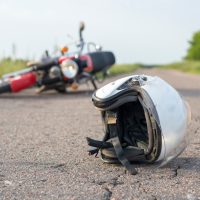
Motorcycle accidents in Los Angeles often result in serious injuries, particularly when riders are exposed to high-speed traffic on major freeways and busy intersections. After a crash, injured riders frequently worry about how California’s helmet laws may impact their personal injury claim. Insurance companies sometimes raise helmet compliance as a defense in an effort to reduce compensation. Understanding how these laws apply and how a skilled Los Angeles motorcycle accident attorney protects injured riders is essential.
California has a universal helmet requirement that applies to all motorcycle operators and passengers. While the rule itself is straightforward, its role in civil litigation is often misunderstood. The key issue in most cases is not simply whether a helmet was worn, but whether the absence of a helmet legally caused or worsened specific injuries.
California’s Helmet Requirement and What It Means for Riders
California Vehicle Code Section 27803 requires motorcycle riders and passengers to wear a properly fitted helmet that meets federal safety standards. The purpose of the statute is public safety, reducing traumatic brain injuries and fatalities.
From a legal standpoint, however, helmet use becomes relevant only when insurers attempt to argue that a rider contributed to the severity of their own injuries. Compliance with the helmet law can eliminate one potential defense argument. Non-compliance does not automatically bar recovery, but it may open the door to comparative fault claims.
How Insurance Companies Raise the Helmet Defense
Insurance carriers often rely on California’s comparative negligence doctrine when defending motorcycle accident claims. Under this system, a plaintiff’s compensation can be reduced if they are found partially responsible for their injuries.
In helmet-related disputes, insurers may argue that even if a negligent driver caused the crash, by failing to yield, making an unsafe left turn, or changing lanes without checking blind spots, the rider’s failure to wear a helmet contributed to the extent of head injuries. The focus shifts from who caused the collision to whether certain injuries could have been mitigated.
It is important to distinguish fault for the accident from responsibility for the severity of injuries. Even if a helmet was not worn, the driver who violated traffic laws may still bear primary liability for causing the crash.
Proving Causation in Helmet-Related Disputes
The central question in these cases is causation. The defense must demonstrate that the absence of a helmet directly contributed to specific injuries. This is not always a simple or automatic conclusion.
Medical experts are often retained to analyze injury patterns and determine whether a helmet would have meaningfully changed the outcome. In some collisions, the force of impact is so severe that certain head or brain injuries would have occurred regardless of helmet use. In other cases, the injuries may involve body parts unrelated to helmet protection, such as spinal trauma, internal injuries, or fractures.
An experienced Los Angeles motorcycle accident attorney works closely with medical professionals and accident reconstruction experts to challenge unsupported assumptions. Scientific evidence, not speculation, should determine whether comparative negligence applies.
Separating Bias from Evidence
Motorcyclists sometimes face unfair stereotypes in personal injury claims. Insurers may imply that riders are inherently reckless or prone to risk-taking behavior. When helmet compliance becomes part of the discussion, those biases can intensify.
Strong legal representation ensures that the case remains grounded in objective evidence. Police reports, witness statements, traffic camera footage, and accident reconstruction analysis help establish how the collision occurred. By clearly demonstrating that a driver failed to yield, ran a red light, or engaged in distracted driving, attorneys keep the focus where it belongs, on the negligent conduct that caused the crash.
Negotiation and Litigation Strategy
In many cases, helmet compliance becomes a negotiation issue long before trial. Insurance adjusters may attempt to reduce settlement offers based on allegations of comparative fault. A carefully prepared claim package, supported by expert evaluations and thorough medical documentation, can significantly limit these reduction attempts.
If settlement discussions fail, litigation may be necessary. In court, both sides may present expert testimony regarding helmet effectiveness and injury causation. Because California follows a pure comparative negligence system, even a partially at-fault rider may still recover damages, though the award may be reduced proportionally. Effective advocacy can make a substantial difference in the final outcome.
Protecting the Full Value of Your Claim
Helmet disputes represent only one aspect of a motorcycle accident case. Riders often suffer severe injuries due to drivers who fail to check mirrors, misjudge distance, or claim they “didn’t see” the motorcycle. Left-turn collisions and intersection crashes are particularly common in Los Angeles traffic.
A comprehensive legal strategy addresses every element of the claim, from liability and evidence preservation to long-term medical planning and damage calculation. By presenting a clear narrative supported by expert testimony and documentation, attorneys work to ensure that helmet-related arguments do not overshadow the broader facts of the case.
Contact Kosnett Law Firm
If you have been injured in a motorcycle accident in Los Angeles, questions about helmet compliance should not prevent you from seeking legal guidance. An experienced Los Angeles motorcycle accident attorney at Kosnett Law Firm can evaluate your case, address comparative negligence arguments, and advocate for the full compensation you deserve. Contact Kosnett Law Firm today for a confidential consultation and let us protect your rights with diligence and determination.
